Tracing Ritual Elements from Ancient Dice Games into Algorithmic Designs of Contemporary Digital Reel Systems
Felix Jenkins · Jul 6, 2026
Tracing Ritual Elements from Ancient Dice Games into Algorithmic Designs of Contemporary Digital Reel Systems
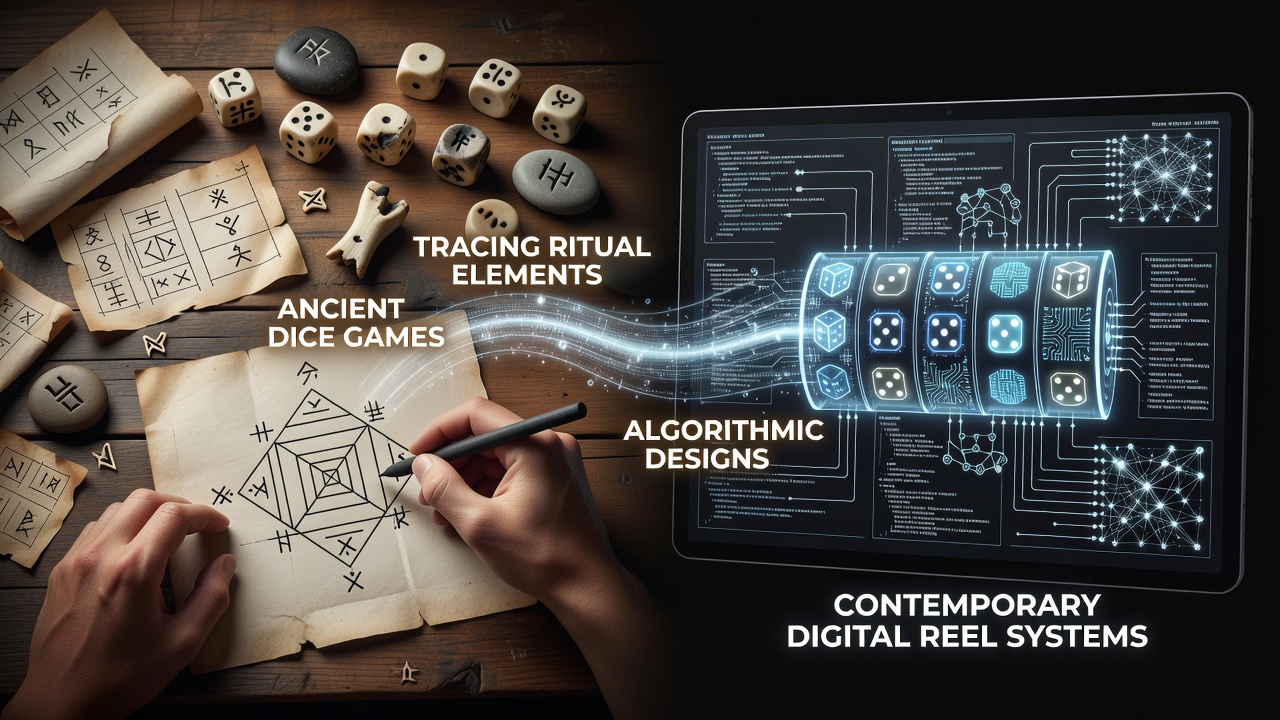
Researchers have mapped connections between ritual practices embedded in early dice games and the structured randomness that powers today's digital reel platforms, where ancient symbols of chance find expression through coded sequences and probability tables. Ancient civilizations incorporated dice into ceremonies that blended divination with social competition, and those patterns of symbolic casting continue to inform how contemporary systems generate outcomes that feel both unpredictable and meaningful to participants across global markets.
Origins in Ritual Casting Practices
Archaeological evidence from sites in Mesopotamia and the Indus Valley reveals dice crafted from bone and ivory that served dual roles in games and oracle consultations, where throws determined harvests or resolved disputes under the guidance of priests who interpreted results as messages from deities. Studies from institutions including the Smithsonian Institution document how Roman soldiers carried astragali, or knucklebone dice, during campaigns, using them not only for gambling but also to invoke protection before battles through repeated casting rituals that emphasized fate over skill.
These early mechanisms relied on physical asymmetry and material imperfections to produce results, a principle that modern designers replicate through weighted probability distributions rather than perfect uniformity. Historians note that Egyptian tomb paintings depict players engaging in senet, a board game with dice-like elements tied to beliefs about the afterlife, where successful throws symbolized passage through spiritual trials and reinforced cultural narratives around destiny and divine intervention.
Medieval Adaptations and Symbolic Continuity
European monastic records from the 12th century describe dice games integrated into festivals honoring saints, where participants cast lots to select community leaders or allocate resources, preserving the ritual framing of chance as an impartial arbiter. Data from European museum collections show that dice often bore markings linked to astrological signs, extending the practice of embedding cosmic meaning into random generation tools that later influenced Renaissance probability theorists like Gerolamo Cardano who analyzed games mathematically while acknowledging their cultural roots.
Indigenous Australian groups maintained similar traditions with marked stones and sticks used in storytelling ceremonies that determined social roles, and researchers from the Australian National University have traced how these tactile methods parallel the visual symbolism retained in current reel designs that display thematic icons drawn from historical motifs. The continuity appears in how both ancient casters and modern interfaces present outcomes through layered visuals that invite interpretation beyond mere numerical results.
Mechanical to Electronic Transitions
Early 20th-century slot machines adopted fruit symbols and lever mechanisms that echoed the physical act of casting objects, creating a tactile bridge from hand-thrown dice to automated reels while maintaining the suspense of sequential reveals. Manufacturers in the United States documented these machines as extensions of carnival games that themselves descended from medieval lotteries, where each pull replicated the anticipatory moment before dice settled.
By the 1980s, video slots replaced physical reels with screens yet retained core random number generators calibrated to mimic natural variance found in bone or wood throws, according to technical papers published by the IEEE on gaming hardware evolution. This shift allowed operators to scale participation while preserving the ritual-like cycle of wager, activation, and revelation that players had encountered for millennia.
Algorithmic Designs in Current Platforms
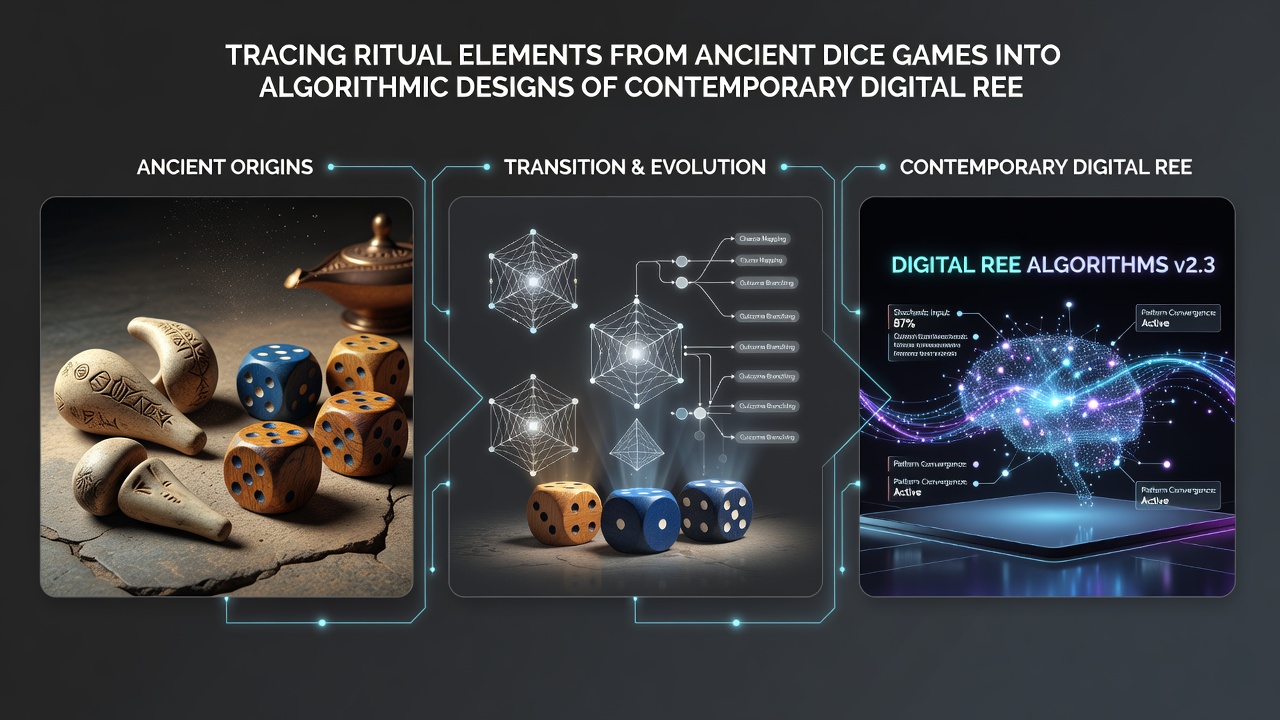
Contemporary digital reel systems employ pseudorandom number generators seeded by environmental data such as server timestamps or atmospheric noise, a method that researchers compare to the environmental factors affecting ancient bone throws where temperature and surface texture influenced landing positions. Industry reports from the Gaming Standards Association indicate that certification processes verify these algorithms produce distributions consistent with historical fairness expectations, ensuring long-term return percentages align with player expectations shaped by centuries of cultural precedent.
Design teams incorporate thematic elements drawn from ancient motifs, including Egyptian scarabs or Mesopotamian star patterns, into payline structures that trigger bonus sequences reminiscent of oracle consultations. One study released through the University of Nevada's gaming research division examined how reel animations extend the duration between outcome determination and display, replicating the dramatic pause that accompanied ritual dice readings in temple settings and heightening engagement across mobile and desktop formats.
Global Regulatory and Technological Context
Regulatory frameworks in jurisdictions including Nevada and New South Wales require independent testing of reel algorithms to confirm they avoid predictable sequences, a standard that parallels ancient community oversight of game integrity during public festivals. Figures from the European Gaming and Betting Association reveal steady growth in digital reel participation through 2026, with platforms in July 2026 integrating enhanced visualization tools that highlight symbolic connections to historical practices without altering underlying mathematics.
Developers continue to refine entropy sources and visual feedback loops, drawing on data analytics that track how players respond to ritual-echoing features such as repeated symbol clusters or progressive reveals. These refinements maintain the objective balance between chance and presentation that has characterized dice-based systems since their earliest documented use.
Conclusion
Evidence from archaeological records through modern technical specifications demonstrates that algorithmic structures in current digital reel systems preserve foundational elements of ritualized chance established in ancient dice games, including symbolic representation, sequential revelation, and impartial outcome generation. Observers across academic and industry fields continue to document these lineages as platforms evolve, providing measurable continuity between practices separated by thousands of years yet unified through the persistent human engagement with structured randomness.