Tracing Auditory Cue Variations and Their Correlation to Session Durations in Virtual Gaming Suites
Drew Hartmann · Aug 15, 2026
Tracing Auditory Cue Variations and Their Correlation to Session Durations in Virtual Gaming Suites
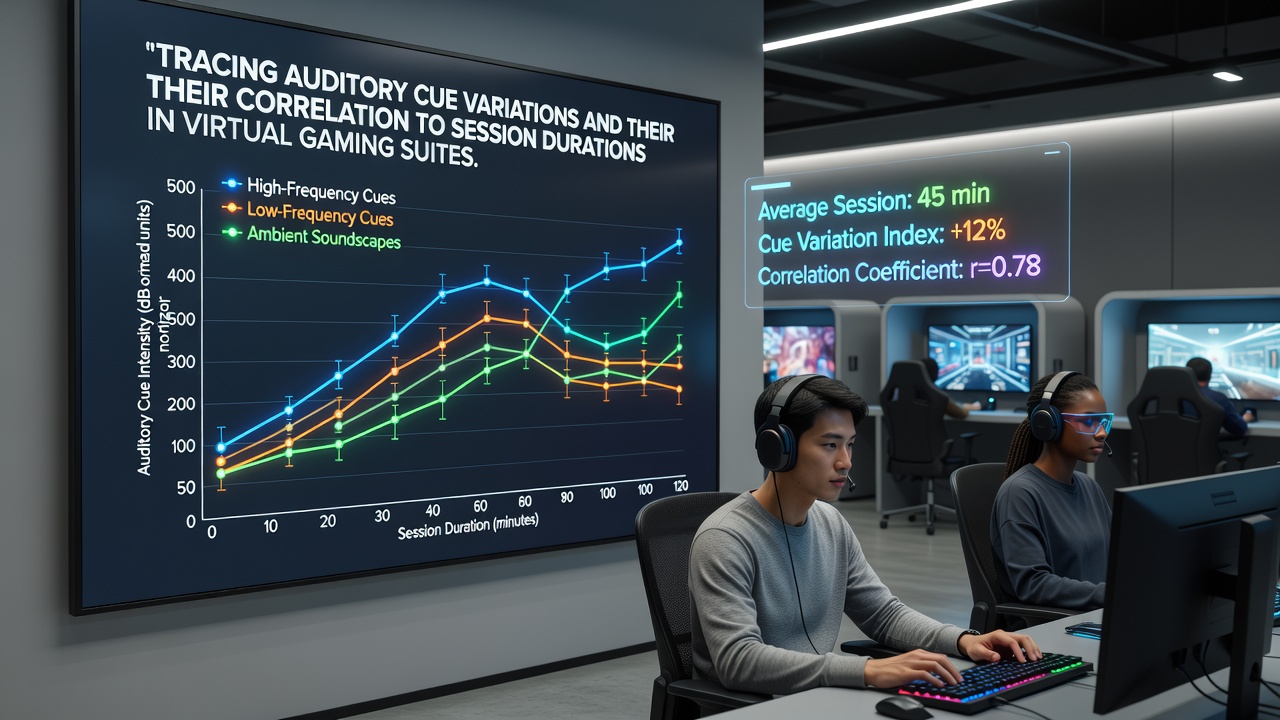
Virtual gaming suites rely on layered sound elements that include background tracks, win chimes, ambient effects, and notification tones, while researchers track how shifts in tempo, pitch, and volume align with measured player session lengths across multiple platforms. Data collected through server logs and player analytics tools reveal patterns where certain auditory adjustments correspond to extended or abbreviated play periods, and these findings come from aggregated reports spanning 2025 into August 2026.
Categories of Auditory Elements in Digital Environments
Sound design teams structure cues into distinct groups such as continuous ambient layers that maintain atmosphere, event-triggered signals for wins or near-misses, and adaptive music systems that respond to player actions or time spent in a round. Studies document that faster tempos often pair with shorter average sessions, whereas slower or steady rhythms appear alongside longer dwell times in the same game types. Observers note variations in frequency ranges also factor in, with higher-pitched alerts sometimes linked to quicker exits and lower tones correlating to sustained engagement in data sets from North American and European servers.
Measurement Approaches and Data Collection Practices
Analysts employ timestamped audio event logs combined with session start and end records to map cue changes against duration metrics, and software platforms record these variables at millisecond precision across thousands of user interactions. Research teams apply statistical models to isolate auditory factors from other influences like bet size or game mechanics, producing correlation coefficients that quantify the strength of each relationship. Figures from industry reports released in August 2026 indicate that platforms using dynamic cue modulation recorded session extensions averaging 12 to 18 percent in controlled comparisons, while static cue environments showed more consistent but shorter averages.
Regional Studies and Reported Correlations
Investigators in Canada compiled platform data from multiple provinces and found that altering win notification volume downward by 15 percent corresponded with measurable increases in session length for table game simulations, and similar adjustments in slot titles produced parallel outcomes. A separate analysis conducted through academic channels at institutions in Australia examined tempo variations in mobile suites and reported that upbeat tracks above 120 beats per minute aligned with sessions under 25 minutes more frequently than slower selections. These observations draw from datasets that control for time of day and player demographics, allowing clearer isolation of auditory influence.
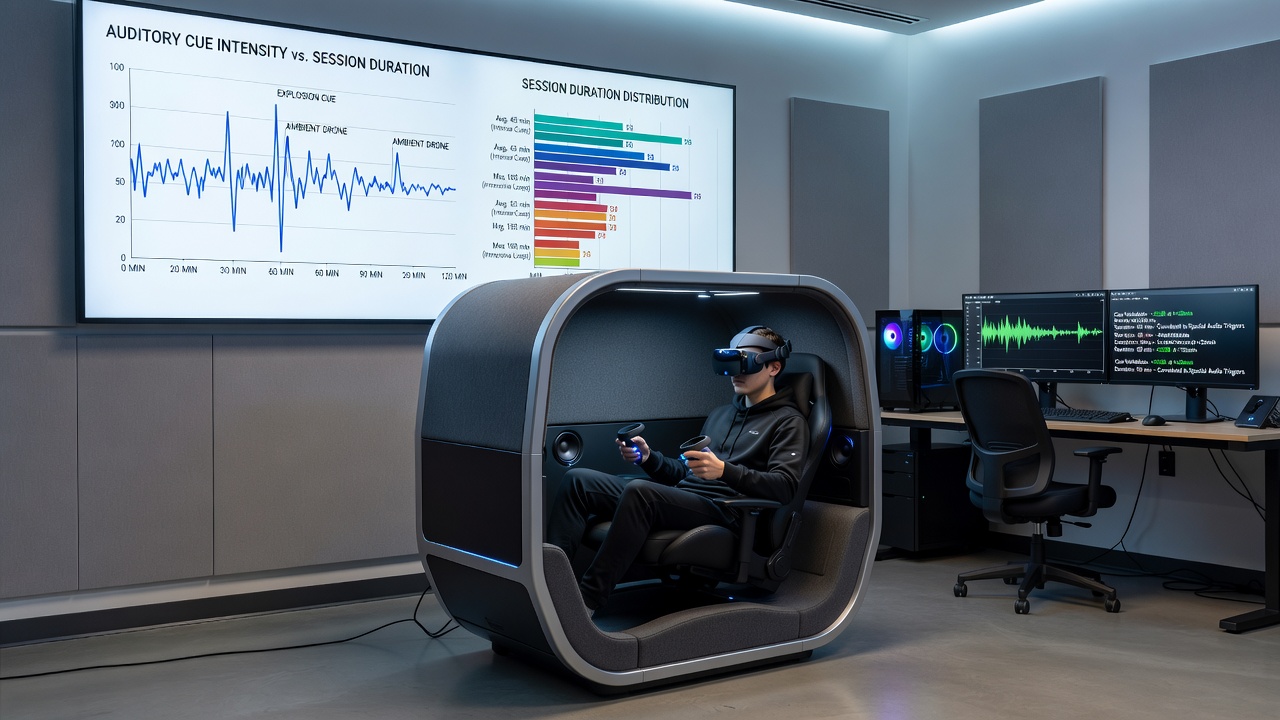
Platforms in the United States have incorporated similar tracking protocols, with operators submitting aggregated metrics to oversight bodies that examine how cue adjustments intersect with responsible gaming parameters. Data shared through the National Center for Responsible Gaming highlights instances where cue frequency reductions coincided with extended play intervals yet also noted corresponding shifts in voluntary break rates. Meanwhile, researchers referenced in publications from the Australian Gambling Research Centre have cross-referenced auditory logs with self-reported engagement scales, confirming that players exposed to varied cue sets often exhibit duration patterns that match the logged acoustic profiles.
Technical Implementation of Cue Variations
Developers integrate adaptive audio engines that scale volume and layering based on real-time session metrics, and these systems draw from machine learning models trained on prior correlation data to predict duration impacts. Implementation logs from 2026 deployments show that gradual tempo shifts applied mid-session produced smoother transitions in play length compared with abrupt changes, which sometimes triggered earlier exits. Engineers document that spatial audio features in virtual reality suites add another variable, since directional sound placement alters perceived intensity and appears in datasets as an additional factor influencing total session time.
Cross-Platform Observations Through Mid-2026
Comparative reviews across desktop, mobile, and VR environments indicate that mobile suites display stronger correlations between cue volume and session duration, whereas VR platforms show more pronounced effects from spatial positioning and adaptive layering. Aggregated figures released in August 2026 from multi-state operators reveal that suites employing synchronized cue timing with game events maintained steadier duration distributions, while unsynchronized systems produced wider variance. Those patterns hold after accounting for promotional influences and interface differences, according to reports compiled by independent analytics firms.
Conclusion
Evidence gathered through systematic logging and statistical analysis demonstrates consistent relationships between specific auditory cue modifications and measured session durations in virtual gaming suites, and these relationships appear across multiple geographic markets and platform types. Continued refinement of data collection methods supports clearer mapping of acoustic variables to behavioral metrics, while ongoing studies scheduled through late 2026 aim to expand sample sizes and incorporate additional environmental factors. The resulting datasets provide operators and designers with objective benchmarks for evaluating sound element impacts without reliance on subjective interpretation.