Shifts in Narrative Design Within Progressive Jackpot Networks Inspired by Classic Literature on Portable Platforms
Felix Jenkins · May 28, 2026
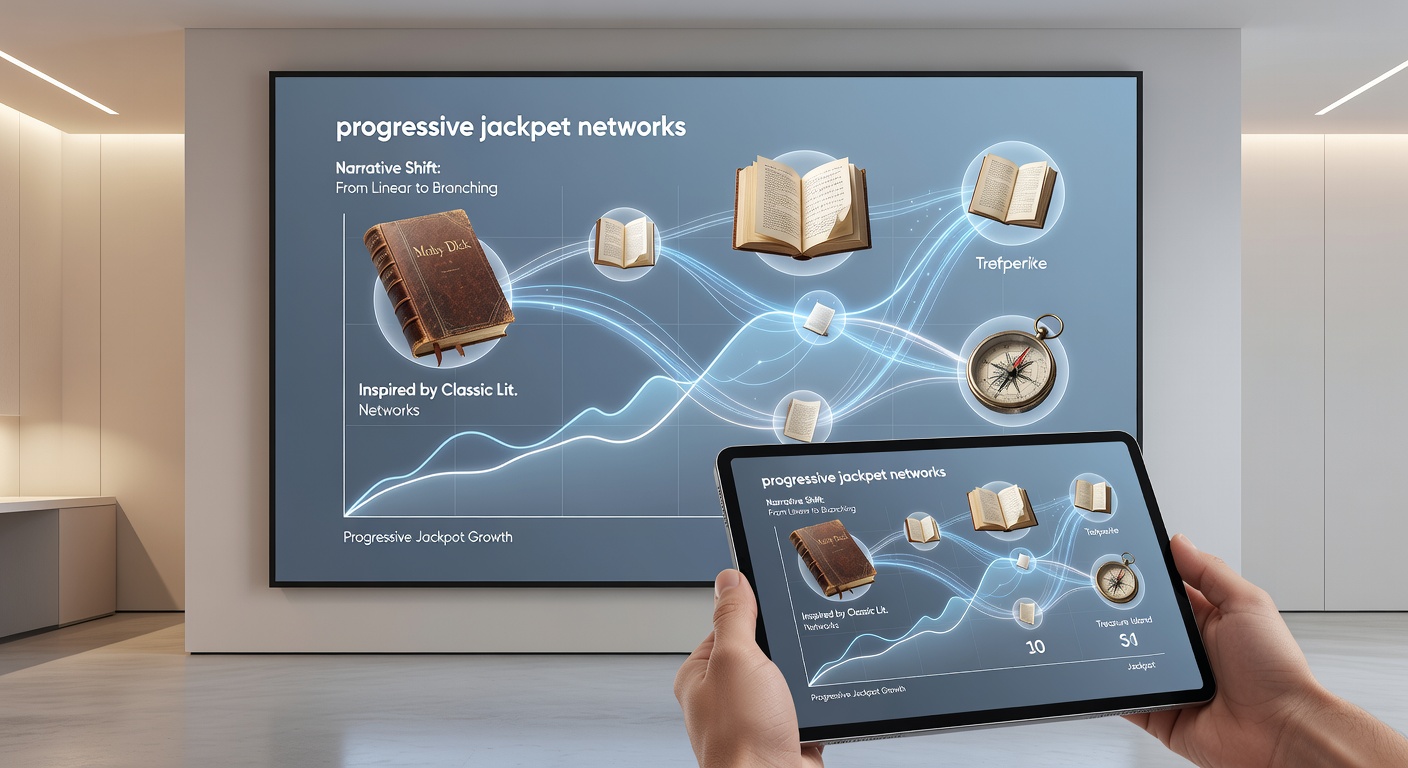
Shifts in Narrative Design Within Progressive Jackpot Networks Inspired by Classic Literature on Portable Platforms
Progressive jackpot networks have incorporated narrative structures drawn from classic literature into mobile gaming formats since the early 2020s, and data from industry reports show that these integrations expanded significantly by May 2026. Developers adapted plots from works like Homer's Odyssey and Jane Austen's novels into linked jackpot systems where player contributions across portable devices build shared prize pools while advancing story sequences on screens. Research from the International Gaming Institute indicates that mobile platforms now account for over 65 percent of progressive jackpot activity in regulated markets, which has prompted design teams to prioritize episodic storytelling that fits shorter play sessions typical of smartphone and tablet use.
Foundations of Literary Integration in Jackpot Systems
Networked progressive slots traditionally relied on mechanical accumulation of bets from multiple machines, yet shifts began when studios started mapping character arcs and plot points onto bonus rounds that unlock through collective play. According to figures from the Nevada Gaming Control Board, licensed operators reported a 28 percent rise in mobile progressive contributions between 2024 and 2025, coinciding with the release of titles that wove literary motifs into jackpot triggers. Players encounter symbols representing key scenes from source texts, and reaching certain thresholds advances a shared narrative visible across all connected devices regardless of individual location.
Adaptations for Portable Platforms
Portable devices introduced constraints around screen size and session length, which led designers to fragment longer literary narratives into modular chapters that sync with jackpot growth phases. One study by the Australian Gambling Research Centre found that session durations on mobile progressive games average 12 minutes, prompting creators to embed micro-stories that resolve within those windows while still feeding into larger network-wide plots. Touch-based interactions allow users to select dialogue options or character paths that influence visual outcomes, and these choices aggregate anonymously into the collective jackpot progression tracked by central servers.
Key Design Shifts Observed in 2025-2026
By early 2026 operators began rolling out updates that emphasized cross-textual references, where a single network might draw from multiple classic sources to create layered narratives. Data compiled by the European Gaming and Betting Association reveals that such multi-literary themes increased player retention metrics by 19 percent compared to standard progressive formats during the first quarter of 2026. Mobile interfaces display progress bars styled as book spines or manuscript scrolls, and tapping these elements reveals incremental story updates funded by the growing jackpot pool.
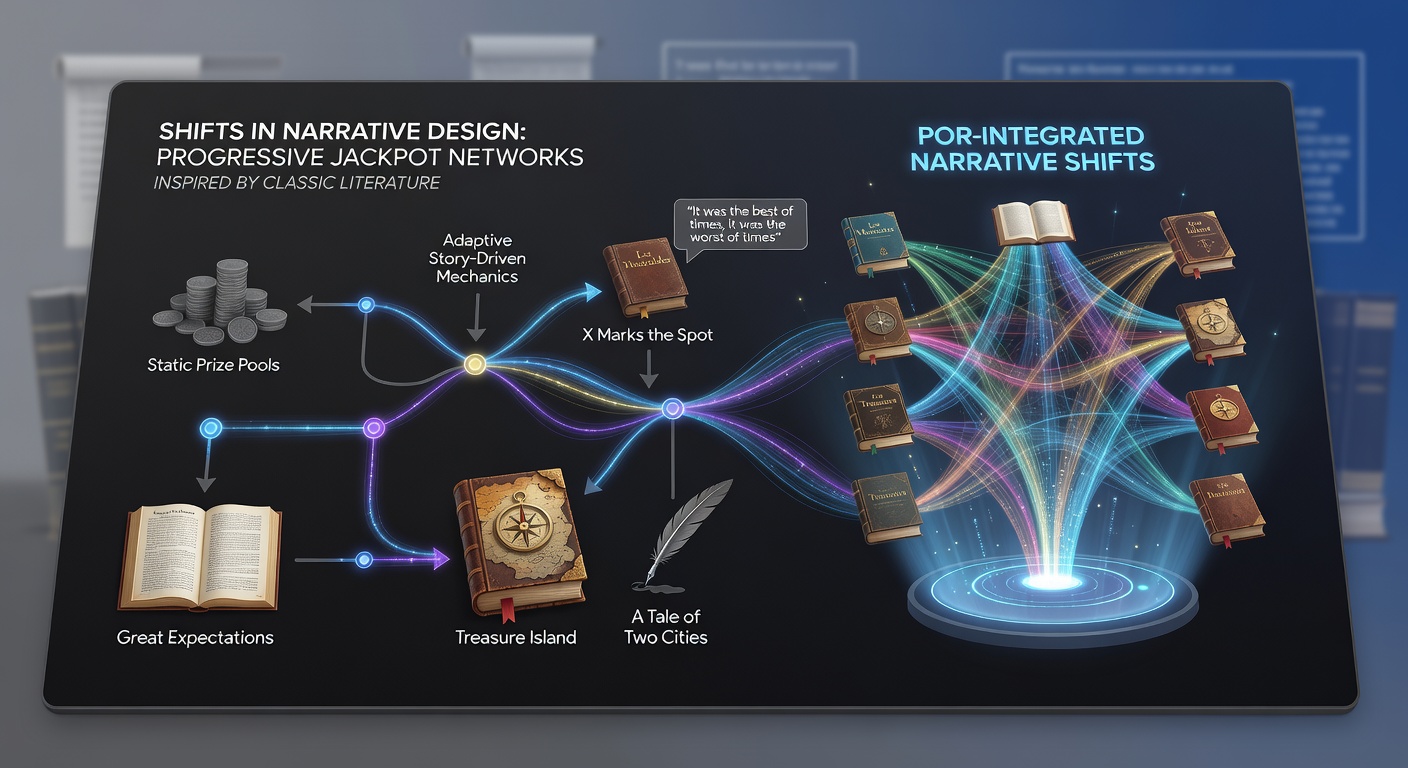
Engineers adjusted server architectures to handle real-time story branching based on aggregate player actions across regions, and regulatory filings submitted in May 2026 detail new compliance protocols for narrative content that ensure age-appropriate adaptations of source material. Observers note that these technical changes coincided with broader adoption of cloud-based rendering, which maintains visual consistency of literary scenes on devices ranging from entry-level smartphones to high-end tablets.
Regional Regulatory Influences on Content Delivery
Canadian provincial regulators, including the Alcohol and Gaming Commission of Ontario, updated guidelines in late 2025 that require clear separation between gambling mechanics and narrative rewards in mobile progressives. These rules encouraged developers to present literary elements as optional overlays rather than core triggers, and compliance reports show that networks adjusted interface designs accordingly by spring 2026. Similar adjustments appeared in Australian jurisdictions where portable platform operators must log narrative progression data separately from financial transactions to maintain audit trails.
Technical Mechanisms Supporting Narrative Networks
Backend systems use distributed ledger elements to record each contribution to both the jackpot and the unfolding story, which prevents duplication across devices. Research published by the University of Nevada's gaming studies program highlights that latency under 200 milliseconds remains essential for maintaining immersion when story updates appear simultaneously on thousands of portable screens. Developers therefore optimized data packets to include only incremental narrative deltas, which reduces bandwidth demands while preserving continuity for users switching between Wi-Fi and cellular connections.
Conclusion
Progressive jackpot networks continue to evolve their narrative frameworks around classic literary sources on portable platforms, with measurable growth in mobile participation documented through 2026. Regulatory bodies across multiple jurisdictions track these developments through standardized reporting, and technical innovations keep story delivery synchronized with jackpot accumulation. The pattern established by May 2026 points toward further refinement of episodic structures that align with device capabilities and regional access standards.