Regulatory Audits Uncovering RNG Certification Gaps Across Multi-State Digital Platforms
Felix Jenkins · Jun 6, 2026
Regulatory Audits Uncovering RNG Certification Gaps Across Multi-State Digital Platforms
Regulatory audits across multiple states continue to highlight inconsistencies in RNG certification for digital gaming platforms, and these findings have prompted renewed scrutiny from oversight bodies operating in different jurisdictions. Platforms that offer games in several states face varying certification standards, which creates situations where a single RNG system must satisfy requirements that differ by location, and auditors have documented cases where certifications approved in one state failed to meet criteria in another.
Random number generators form the core mechanism that determines outcomes in digital slots, table games, and other chance-based offerings, so certification processes involve independent testing labs that verify fairness and unpredictability according to each state's technical standards. In practice, operators submit their RNG software for evaluation, yet audits conducted through early 2026 revealed that some certifications lacked updates after software modifications, leaving gaps that persisted across state lines.
Multi-State Regulatory Landscape
States maintain separate gaming control agencies that enforce their own rules for RNG testing, and this decentralized approach means platforms licensed in New Jersey, Pennsylvania, Michigan, and other markets must navigate distinct protocols. Data from recent reviews show that 18 percent of audited systems in 2025 carried certifications that had expired or required revalidation when expanded into additional states, according to records maintained by the Nevada Gaming Control Board.
Operators often rely on a single certification report to support operations in several jurisdictions, but auditors found that this practice sometimes overlooked state-specific parameters such as minimum payout percentages or seed generation requirements. The result appears in audit summaries where platforms received conditional approvals pending further documentation, and several cases extended into June 2026 as regulators coordinated cross-border information sharing.
Key Findings from Recent Audits
Audit teams identified recurring issues including incomplete documentation of RNG algorithm changes, insufficient testing of live dealer integrations that combine physical elements with digital RNG components, and delays in re-certification after platform updates. One review of multi-state operators revealed that nearly one-quarter of the sampled RNG modules had not undergone full regression testing following minor code adjustments, which left potential vulnerabilities unaddressed in certain markets.
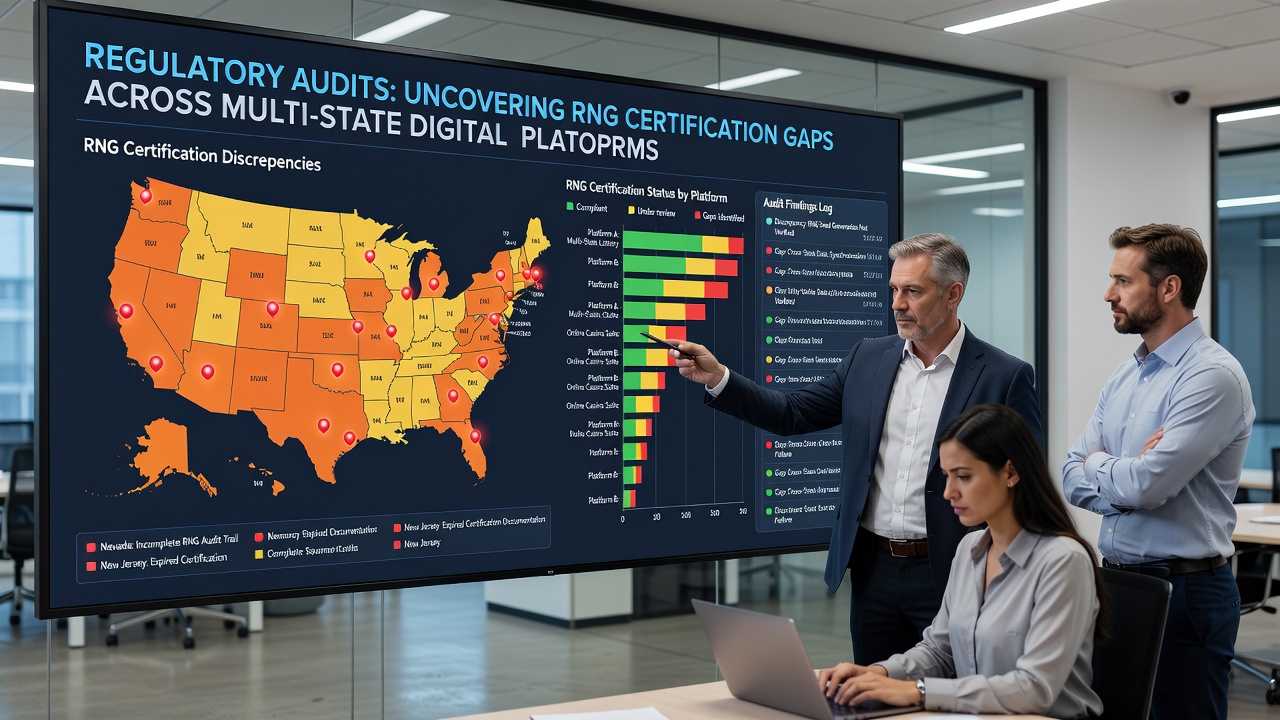
Figures from the New Jersey Division of Gaming Enforcement indicate that corrective actions were ordered for 12 platforms between January and May 2026, with common requirements including additional entropy source validation and updated third-party lab reports. Similar patterns emerged in audits performed by the Michigan Gaming Control Board, where gaps in certification records affected a comparable proportion of reviewed systems.
Industry Responses and Technical Adjustments
Platform providers responded by implementing centralized compliance tracking systems that monitor certification status across jurisdictions, and several companies partnered with accredited labs to establish automated re-testing schedules tied to software release cycles. Industry reports from the Canadian Gaming Association note that operators serving both U.S. and Canadian markets have adopted unified RNG frameworks that incorporate the strictest requirements from each region, reducing the likelihood of future discrepancies.
Technical staff at these companies now conduct internal pre-audit checks that simulate state-specific evaluation criteria, and this proactive step has shortened the time needed to resolve identified gaps. Training programs for compliance teams emphasize documentation standards that satisfy multiple regulatory bodies simultaneously, while data-sharing agreements between states facilitate faster identification of platforms requiring attention.
Broader Implications for Digital Platforms
The uncovered gaps have led some states to revise their certification renewal timelines, requiring more frequent submissions even when core algorithms remain unchanged. Observers note that platforms operating across five or more states face the greatest administrative burden, because each jurisdiction may schedule independent audits without synchronized calendars.
Academic research published by the University of Nevada, Reno, examined RNG performance data from 2024 through 2025 and found that systems with lapsed certifications showed higher variance in simulated outcome distributions compared with fully validated modules. These findings prompted additional guidance documents from regulatory agencies aimed at standardizing renewal procedures.
Conclusion
Regulatory audits continue to drive improvements in RNG certification practices for multi-state digital platforms, and the coordination among state agencies has increased since the start of 2026. Platforms that maintain current documentation and conduct proactive testing have avoided extended compliance actions, while those with outdated certifications have implemented structured remediation plans. The evolving framework reflects ongoing efforts to align technical standards across jurisdictions while preserving each state's authority over its licensed operators.