Holiday Seasons Trigger Surges in Digital Entertainment Platform Activity Across Global Regions
Paul Hartmann · Jun 1, 2026
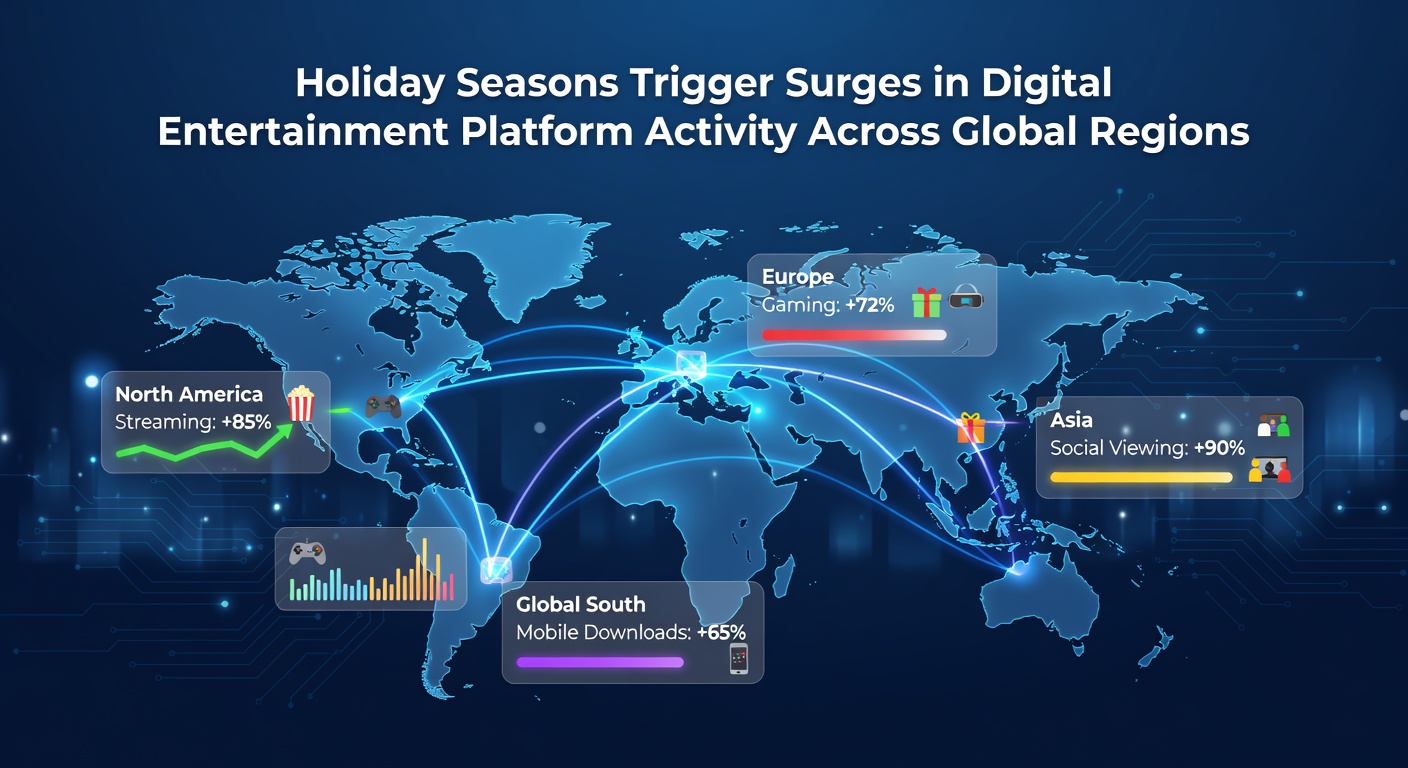
Holiday Seasons Trigger Surges in Digital Entertainment Platform Activity Across Global Regions
Digital entertainment platforms experience notable increases in user engagement during holiday seasons across multiple continents, with data from various monitoring services documenting these patterns year after year. Families and individuals allocate more time to streaming services, mobile applications, and online gaming networks when traditional work and school schedules pause, creating measurable spikes in traffic and content consumption. Researchers at institutions tracking media usage have compiled figures that illustrate how these periods align with broader shifts in daily routines worldwide.
Regional Patterns in Usage Data
North American platforms report elevated activity levels from late November through early January, according to metrics compiled by industry analysts at firms like Newzoo. Streaming services see subscription renewals and viewing hours climb as users access holiday-themed content libraries and catch up on series during extended breaks. Similar trends appear in European markets where December festivities coincide with higher download rates for entertainment apps, and observers note that music streaming volumes rise in tandem with travel disruptions that keep people indoors.
Asia-Pacific regions demonstrate parallel surges during Lunar New Year celebrations and other local observances, with platforms adapting content recommendations to match cultural preferences. Data from the Australian Communications and Media Authority indicates that broadband usage for video-on-demand services expands significantly during these windows, while mobile game sessions extend longer as participants share experiences across time zones. Experts tracking these movements point to consistent correlations between public holidays and platform server loads.
Contributing Factors Behind the Increases
Weather conditions, travel restrictions, and social gatherings all play roles in directing attention toward digital options, yet the core driver remains the availability of unstructured time. Studies conducted by university research teams in Canada have quantified how household internet consumption patterns change when multiple family members remain at home simultaneously. Platforms respond by adjusting server capacities and rolling out targeted promotions that align with these seasonal calendars.
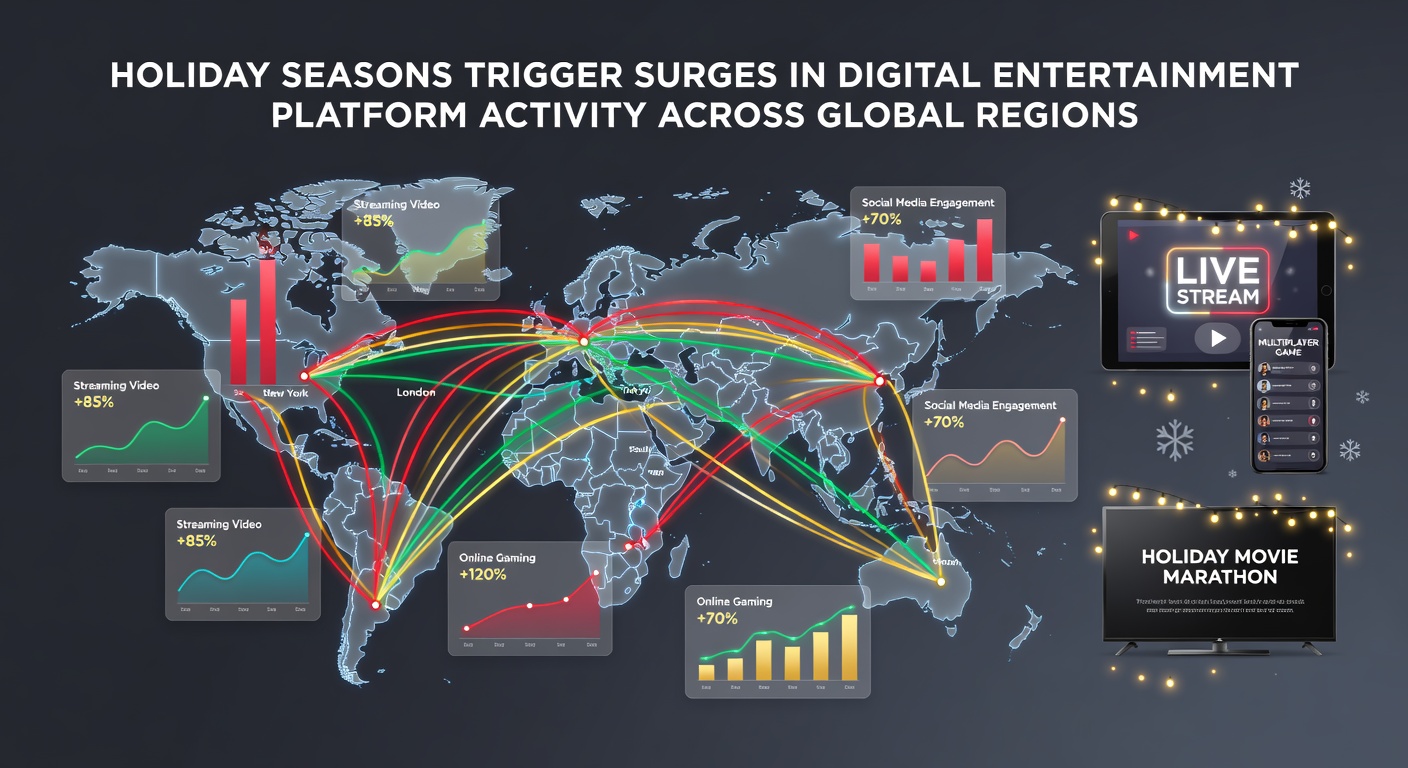
Content libraries expand with seasonal offerings that encourage repeated visits, and notification systems prompt users who might otherwise reduce screen time. The interplay between device portability and widespread Wi-Fi access further supports these activity levels, allowing engagement from various locations including airports and family residences. Figures released by Statistics Canada reveal that household data usage often doubles during peak holiday weeks compared to average months.
Platform Adaptations and Infrastructure Responses
Operators of major entertainment networks prepare in advance by scaling resources and analyzing historical traffic logs to predict demand curves. Partnerships with content creators lead to exclusive releases timed for maximum visibility during these periods, and algorithms refine suggestions based on aggregated user behavior from prior seasons. Industry reports from the European Audiovisual Observatory document how such preparations help maintain service quality even as concurrent users multiply.
Cross-regional comparisons show that markets with higher smartphone penetration rates witness more pronounced mobile-driven activity, whereas regions with strong fixed broadband infrastructure support longer session durations on larger screens. Observers who monitor global digital trends highlight that these adaptations have become standard practice among leading providers seeking to retain attention amid competing leisure options.
Longer-Term Implications for the Sector
Accumulated data from multiple holiday cycles suggests that these surges contribute to overall annual growth metrics for digital entertainment providers. Companies analyze post-holiday retention rates to refine future strategies, while academic papers examine the societal aspects of increased screen time during collective downtime. Regulatory bodies in several jurisdictions track these developments as part of broader assessments of digital infrastructure needs.
Conclusion
Patterns observed across global regions confirm that holiday seasons consistently correlate with heightened digital entertainment platform activity, supported by statistics from government agencies and research organizations. These shifts reflect changes in available time and access rather than isolated events, and continued monitoring by industry groups will likely reveal further details in coming cycles. Platforms continue to evolve their offerings in response to these recurring demands.