From ancient myths to digital reels: tracing symbol origins in virtual gambling machines
Finley Schmitt · Jul 2, 2026
From ancient myths to digital reels: tracing symbol origins in virtual gambling machines
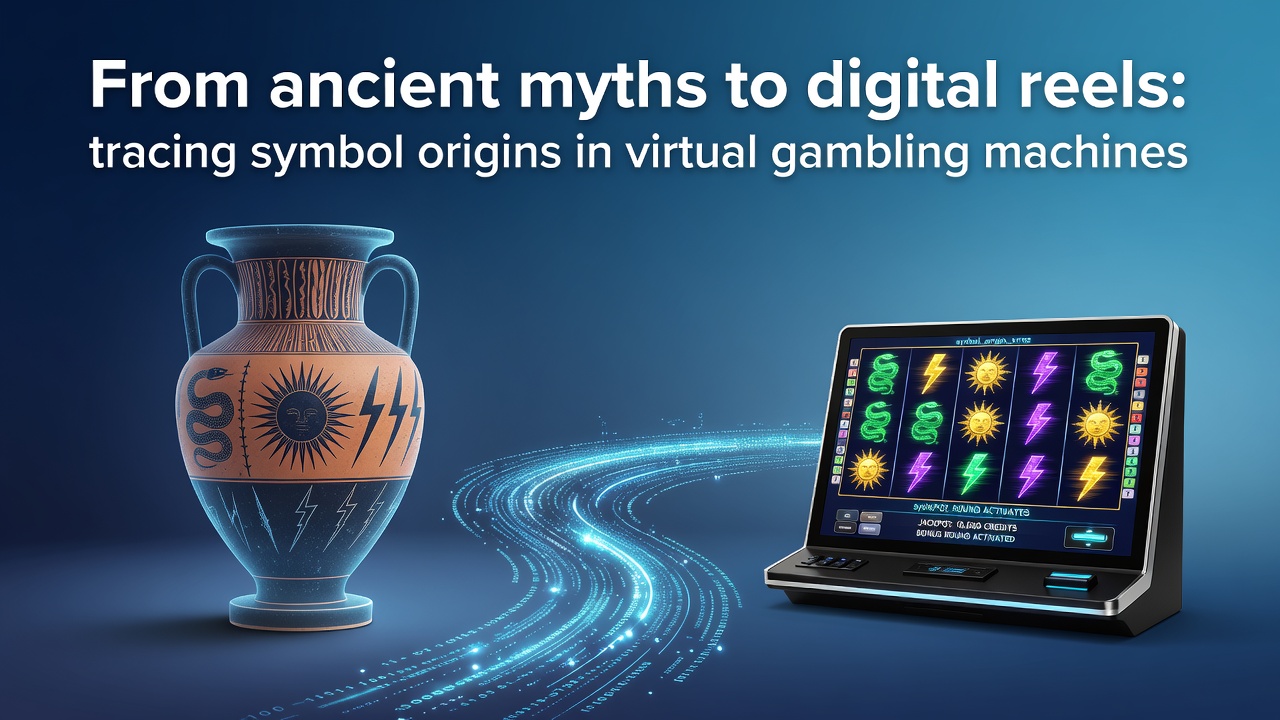
Symbols on virtual gambling machines often trace their roots back through centuries of human storytelling and belief systems, where ancient cultures embedded meanings of fortune, protection, and divine favor into everyday objects and narratives that later influenced mechanical and electronic gaming devices.
Foundations in Early Mechanical Designs
Charles Fey introduced the Liberty Bell slot machine in 1895 with icons including horseshoes, stars, and bells that drew directly from 19th-century American folklore and European traditions of luck charms, while the horseshoe itself carried protective associations from medieval blacksmith myths across Britain and Ireland. Those early reels featured five symbols per reel and paid out in nickels or cigars rather than cash in many jurisdictions, yet the visual language already reflected older iconography that players recognized from stories passed down through generations.
Egyptian and Classical Influences on Modern Reels
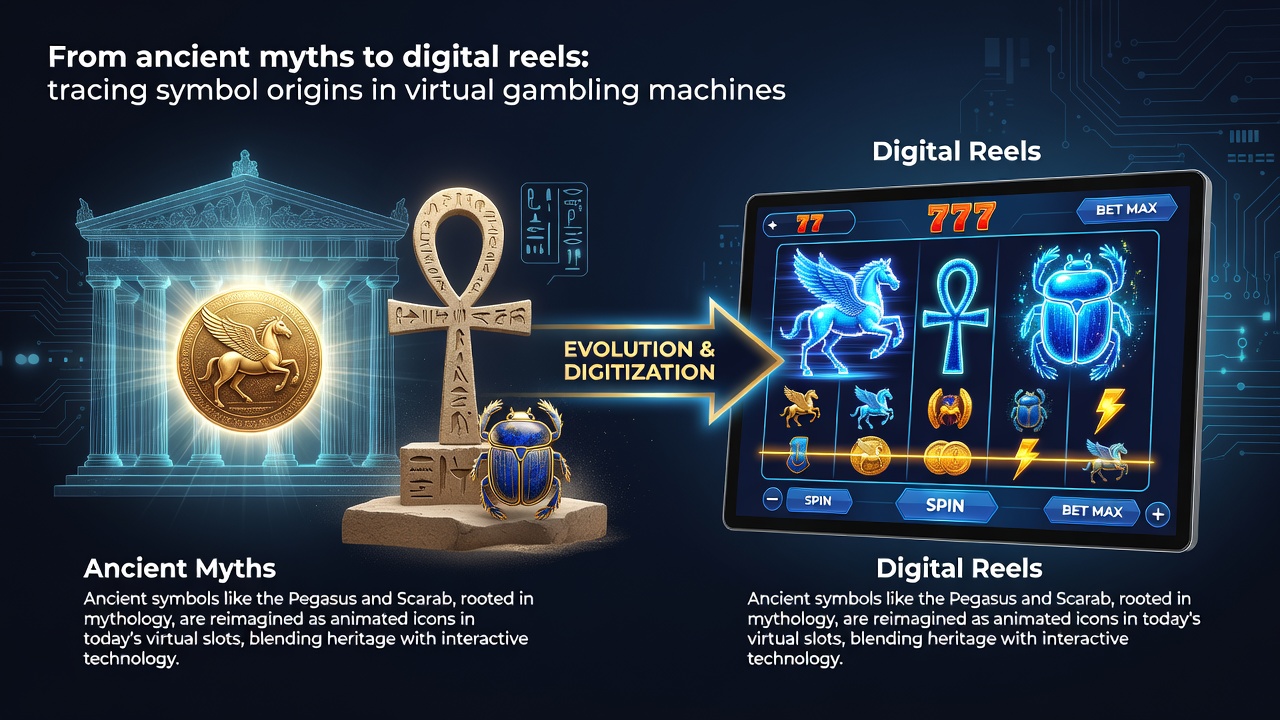
Contemporary virtual slots frequently incorporate scarabs, ankhs, and depictions of Ra or Anubis because these elements originated in ancient Egyptian cosmology where beetles symbolized rebirth and the sun god represented daily renewal, concepts that game developers later adapted for thematic continuity on digital platforms. Greek and Roman myths supplied additional motifs such as thunderbolts associated with Zeus or laurel wreaths linked to victory, and designers integrated these into progressive jackpot systems where accumulating symbols trigger bonus rounds that echo heroic quests from classical texts. Research from the University of Nevada's gaming history archives shows how these mythological borrowings accelerated after the 1980s legalization expansions in Atlantic City and later Native American tribal lands, when software firms began licensing ancient narratives to differentiate titles in crowded casino floors.
One notable example appears in games featuring Medusa or the Minotaur, where wild symbols substitute for others much as those figures transformed heroes in their original legends, while stacked wilds on five-reel formats allow multiple lines to pay simultaneously and mirror the layered storytelling common in epic poetry.
Norse, Asian, and Global Myth Transfers
Norse mythology entered digital reels through hammers representing Thor, ravens tied to Odin, and runes that players collect for free spins, and these elements gained traction after Scandinavian operators expanded online offerings in the early 2000s. Chinese dragon and phoenix symbols similarly migrated from imperial court legends of imperial power and harmony into Asian-themed machines popular in Macau and Singapore markets, where cultural familiarity drives higher engagement according to reports issued by the Macau Gaming Inspection and Coordination Bureau. Australian aboriginal dreamtime motifs and African folklore figures have appeared more recently in titles developed for international markets, demonstrating how developers source symbols from anthropological records rather than inventing them wholesale.
Data compiled by the Canadian Institute for Gaming Research indicates that titles incorporating recognizable mythological icons achieve longer average session times compared with abstract fruit-based machines, although exact figures vary by jurisdiction and regulatory environment. Regulators in multiple regions require that random number generators remain independent of thematic layers, which means the mythological visuals serve aesthetic and narrative functions without altering the underlying probability mathematics certified through independent testing labs.
Digital Adaptation and Regulatory Context in 2026
By July 2026 virtual platforms had refined symbol rendering through high-definition animations and interactive bonus sequences that allow players to trigger events drawn from specific myths, such as navigating a labyrinth for rewards or summoning deities for multipliers. These enhancements build upon earlier mechanical limitations where physical reels could display only a fixed number of stops, whereas digital code permits thousands of virtual stops and seamless transitions between base game symbols and feature rounds.
Industry organizations including the European Gaming and Betting Association have documented how cultural sensitivity reviews now accompany symbol selection processes, ensuring that representations of sacred figures from living traditions receive appropriate contextual framing rather than purely commercial treatment. Such practices reflect broader shifts in content creation that began accelerating after the 2010s when mobile distribution made global markets more accessible to developers based in Malta, the Isle of Man, and various Asian hubs.
Conclusion
Tracing slot symbols from their mythological sources reveals a continuous thread connecting ancient belief systems to current digital entertainment formats, where each reel spin carries visual echoes of stories that once explained natural phenomena and human fortune. Developers continue to mine historical records, archaeological findings, and literary traditions for fresh iconography while independent certification bodies verify that the mathematical integrity of outcomes remains separate from thematic presentation. This evolution underscores how virtual gambling machines function as modern vessels for longstanding cultural symbols, updated through software yet anchored in narratives that predate the invention of the reel itself.