Examining Payout Distribution Models in Electronic Wheel Configurations Through Regional Mobile Interfaces
Blake Müller · Jun 29, 2026
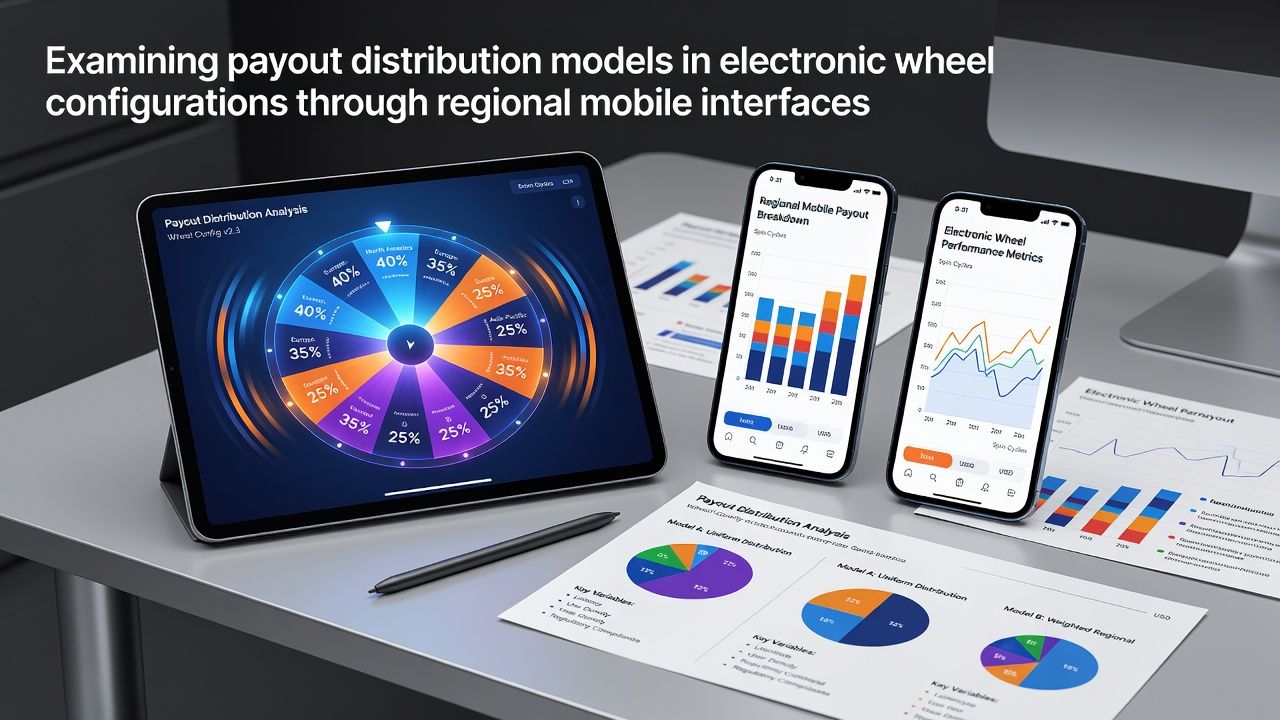
Examining Payout Distribution Models in Electronic Wheel Configurations Through Regional Mobile Interfaces
Electronic wheel configurations in digital gaming platforms rely on structured payout distribution models that allocate returns through defined probability sequences, and regional mobile interfaces adapt these systems to comply with local access protocols. Data from multiple jurisdictions shows that fixed return-to-player percentages often range between 94 and 98 percent, while progressive models adjust allocations based on accumulated contributions from player pools. Observers note that mobile delivery layers introduce additional variables such as network latency and device-specific rendering that influence how these distributions manifest during active sessions.
Core Components of Payout Models
Electronic wheels operate through random number generators calibrated to specific distribution curves, where each segment corresponds to a predetermined payout tier. Researchers tracking these systems across platforms indicate that segmented wheels divide outcomes into high-frequency low-value returns alongside low-frequency high-value segments, creating balanced variance profiles that maintain overall percentages. Regional mobile interfaces layer geolocation checks and session management tools onto these base models, which ensures compliance without altering the underlying probability matrix. In practice, developers calibrate wheel segments so that cumulative payouts align with certified benchmarks verified through third-party testing laboratories.
Regional Variations in Implementation
Mobile platforms serving North American markets integrate payout models that account for state-level restrictions on game mechanics, whereas European and Asian deployments often emphasize cross-border access frameworks. Figures released in June 2026 from regulatory tracking services reveal that certain U.S. state platforms maintained consistent 96.5 percent return rates across wheel titles, while comparable mobile configurations in Australian jurisdictions reported slight upward adjustments tied to updated licensing requirements. Those who've examined interface logs find that regional mobile gateways enforce session timeouts and stake limits that indirectly shape how players experience payout clustering during extended play periods.
Mobile Interface Adaptations and Data Flow
Regional mobile interfaces transmit payout data through encrypted channels that synchronize with central servers hosting the wheel configuration logic. Studies conducted by academic groups affiliated with gaming technology programs demonstrate that adaptive rendering on smartphones adjusts visual wheel spin durations to match local bandwidth conditions, yet the underlying distribution remains governed by server-side algorithms. What's interesting is how these interfaces incorporate real-time balance updates that reflect micro-adjustments in progressive pools without exposing the full calculation sequence to end users. Data shows that latency spikes in certain regions can delay confirmation of wheel outcomes by fractions of a second, though certified models guarantee that final results adhere to pre-determined probabilities regardless of delivery timing.

Platform operators coordinate with regional authorities to certify each configuration update, and records from bodies such as the Nevada Gaming Control Board document approval timelines for mobile-deployed wheel titles. Similar oversight occurs through Canadian provincial regulators and Australian state commissions, which publish aggregated performance metrics at regular intervals. Those reviewing certification archives note that electronic wheel models undergo periodic re-testing when mobile operating system updates introduce new graphics processing changes that could affect outcome display timing.
Comparative Analysis Across Jurisdictions
Comparative datasets compiled from multiple regulatory sources highlight differences in how progressive elements integrate with base wheel payouts. In one documented case, a multi-state U.S. platform adjusted contribution rates to progressive pools in response to volume increases observed during early 2026, while parallel mobile offerings in the European Union maintained fixed contribution percentages under centralized testing standards. Research indicates that interface design choices, such as quick-spin toggles available on certain regional apps, alter perceived pacing without modifying the mathematical distribution itself. Observers tracking player session data across these environments find that payout frequency reports remain consistent when measured against certified random number generator outputs.
Technical Considerations for Distribution Integrity
Integrity checks embedded in mobile interfaces verify that each wheel spin adheres to the certified payout table before results display on the device screen. Engineers working with these systems employ checksum protocols that cross-reference server-generated outcomes against locally cached distribution parameters, and any mismatch triggers an automatic session audit. Reports from industry testing organizations confirm that such safeguards have maintained certification compliance rates above 99 percent across reviewed mobile deployments through mid-2026. Platform logs further reveal that regional variations in data encryption standards do not impact the core payout calculation sequence, although they do affect transmission speeds during peak usage windows.
Future Calibration Trends
Calibration schedules published by platform providers indicate ongoing refinements to electronic wheel models as mobile hardware capabilities expand. These adjustments focus on maintaining target distribution percentages while accommodating higher-resolution graphics and faster processing speeds that regional interfaces now support. Aggregated figures from multiple oversight agencies show stable performance metrics despite increased session volumes recorded in the first half of 2026, suggesting that current payout frameworks scale effectively across diverse mobile ecosystems.
Conclusion
Electronic wheel configurations continue to evolve through coordinated efforts between developers, regional regulators, and mobile interface designers, with payout distribution models serving as the central mechanism that ensures consistent return profiles. Data compiled across jurisdictions demonstrates that these systems maintain certified parameters even as delivery methods adapt to new device standards and access rules. Continued monitoring by established oversight bodies supports transparency in how these models operate within regional mobile environments.