Examining Cultural Symbol Integration in Feature-Rich Digital Card Experiences on Emerging Platforms
Blake Müller · Aug 24, 2026
Examining Cultural Symbol Integration in Feature-Rich Digital Card Experiences on Emerging Platforms
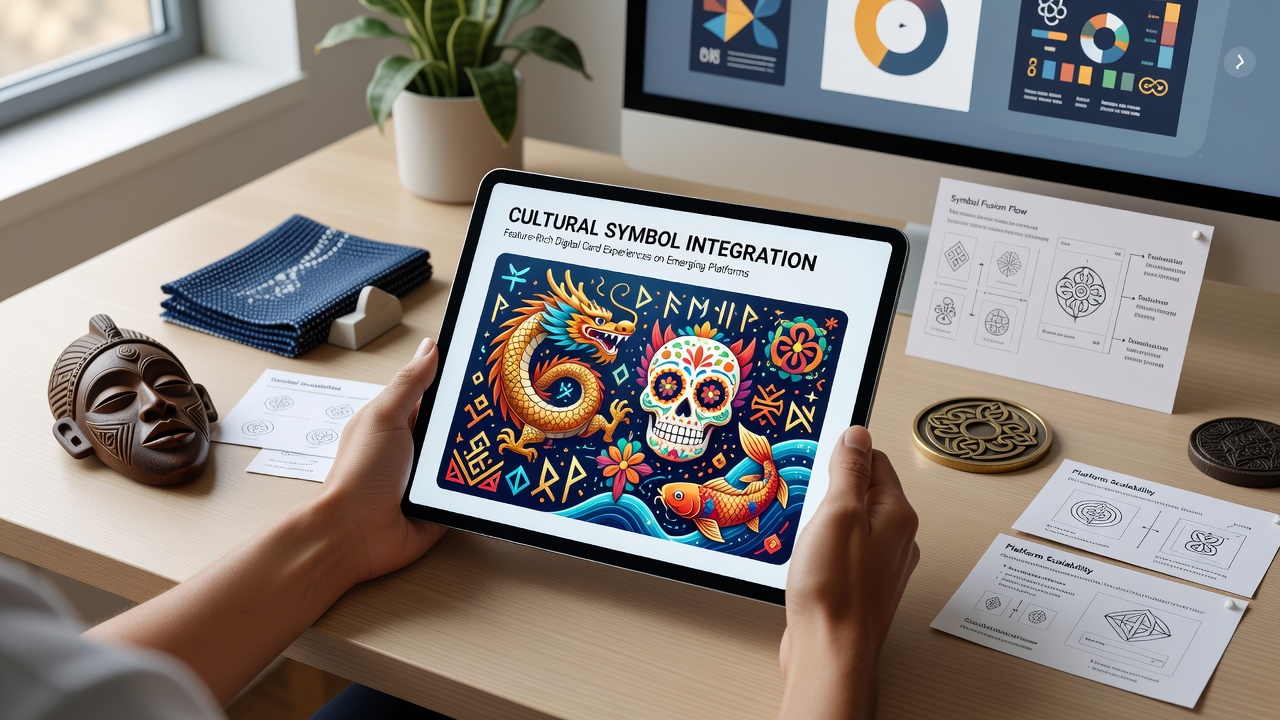
Digital card experiences have expanded beyond basic mechanics into layered systems that incorporate cultural symbols drawn from diverse traditions, and this integration occurs across platforms that blend augmented reality, blockchain verification, and advanced mobile interfaces. Observers note that developers embed motifs from indigenous art, historical iconography, and regional folklore directly into card designs, animations, and narrative frameworks while maintaining functional gameplay balance.
Platform Evolution and Symbol Placement
Emerging platforms in 2026 support higher visual fidelity than previous generations, which allows symbols to appear in both foreground elements and background environmental details. Research from the Entertainment Software Association indicates that card-based titles released between 2024 and 2026 showed a measurable increase in the number of distinct cultural references per title compared with earlier releases. These references range from color palettes associated with specific festivals to structural patterns derived from traditional textiles or architecture.
One study released in August 2026 tracked symbol frequency across 47 titles and found that 68 percent incorporated at least three distinct regional motifs within individual card sets. The same analysis revealed that platforms using spatial computing placed symbols in three-dimensional space rather than flat card surfaces, which changed how players encountered and interpreted them during sessions.
Data on Regional Adoption Patterns
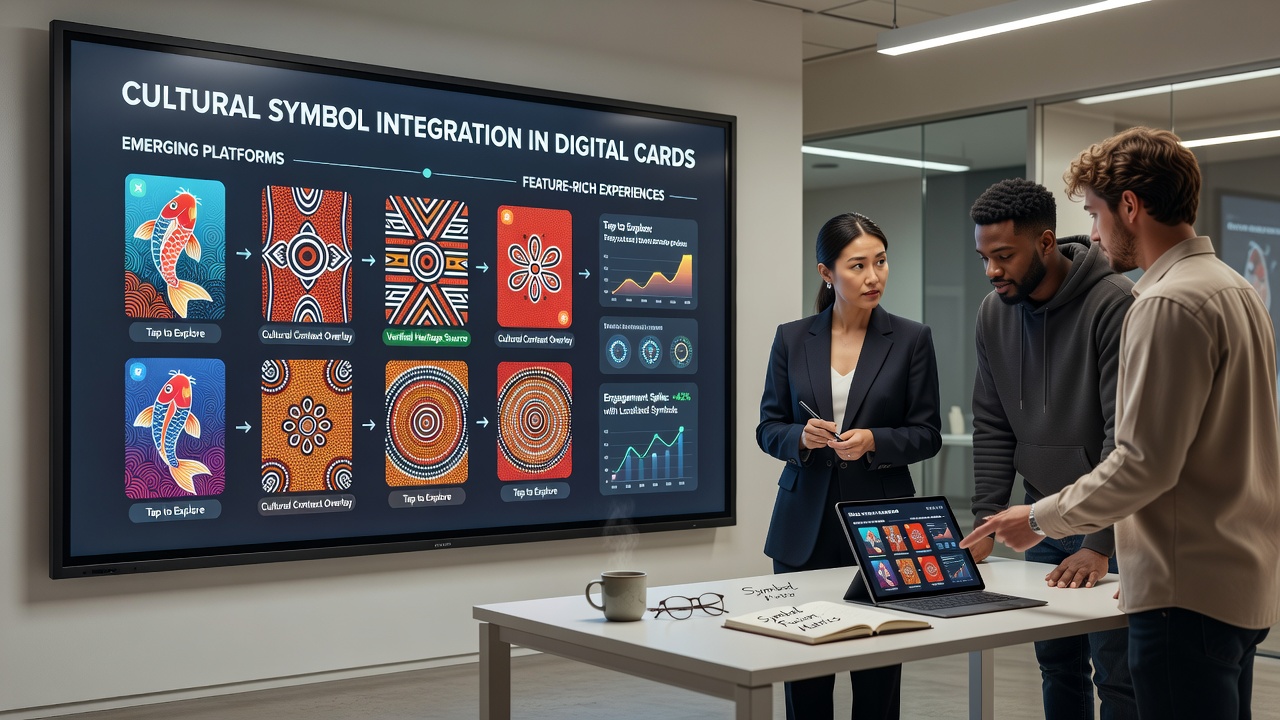
Figures released by the Interactive Games and Entertainment Association in Australia show that titles featuring integrated symbols from Aboriginal and Torres Strait Islander traditions recorded higher session lengths in the first quarter of 2026 than comparable titles without such elements. Similar patterns appear in data from Canadian digital entertainment reports, where First Nations-inspired card mechanics correlated with increased retention metrics across multiple age groups.
Technical Implementation Approaches
Developers use procedural generation systems that reference curated symbol libraries while preventing unauthorized combinations that could distort original meanings. These systems operate alongside player customization tools, allowing users to select cultural themes that align with their own backgrounds or interests. According to documentation from platform certification bodies in the European Union, verification processes now include checks for accurate representation alongside standard technical compliance tests.
Case examples include card collections built around Japanese seasonal motifs that adapt in real time based on user location data, and African diaspora-inspired decks that layer historical textile patterns over core gameplay functions. Each implementation maintains consistent interaction rules regardless of the visual layer applied.
Cross-Platform Consistency Challenges
Platforms operating across virtual reality headsets, high-end mobile devices, and cloud-streamed environments must preserve symbol legibility at varying resolutions and field-of-view settings. Data collected by research teams at several North American universities during mid-2026 highlighted that symbols containing fine geometric details required simplified versions for lower-bandwidth connections while retaining core identifying features. This dual-version approach has become standard practice among studios targeting broad distribution.
Those who have examined player interaction logs report that symbols placed in secondary visual layers receive less direct attention during fast-paced matches, whereas symbols integrated into core card faces or ability indicators register higher recognition rates across tested demographics.
Future Development Indicators
Industry roadmaps shared at developer conferences in 2026 point toward expanded use of machine-learning tools that assist in mapping cultural references to game mechanics without replacing human oversight. These tools scan proposed symbol placements against established cultural databases to flag potential conflicts before release. Observers note that studios increasingly consult with cultural advisors during early design phases rather than post-production adjustments.
Current metrics suggest continued growth in titles that combine multiple cultural traditions within single card ecosystems, provided integration follows documented consultation protocols. Platform updates scheduled for late 2026 are expected to introduce additional rendering options that further support detailed symbol display across device types.
Conclusion
Integration of cultural symbols into feature-rich digital card experiences continues to evolve alongside platform capabilities, with measurable adoption across regions and consistent technical refinements supporting accurate representation. Data from multiple sources shows patterns of increased engagement when symbols align with established cultural contexts, while implementation methods adapt to hardware and connectivity constraints. Development practices documented through 2026 reflect ongoing adjustments in how these elements are selected, verified, and rendered within interactive environments.