Decoding How Thematic Narratives Shape Engagement Patterns in Virtual Reel Experiences on Handheld Devices
Finley Schmitt · Jul 18, 2026
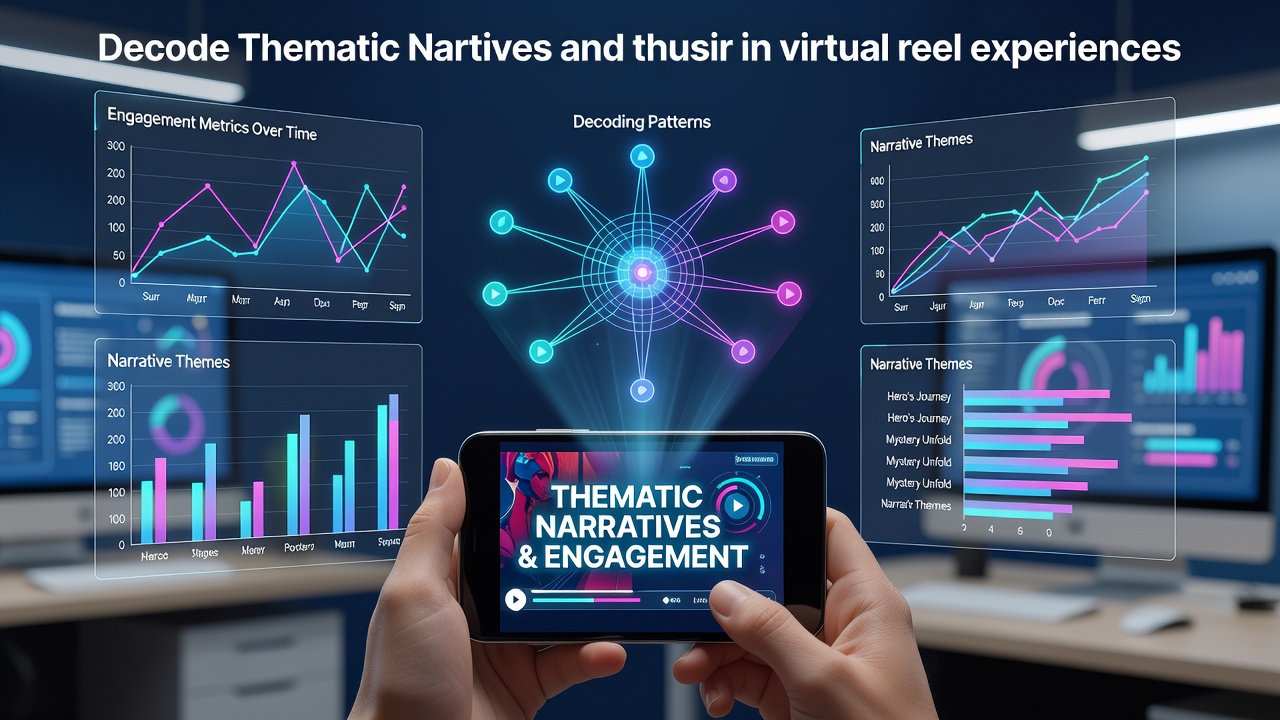
Decoding How Thematic Narratives Shape Engagement Patterns in Virtual Reel Experiences on Handheld Devices
Virtual reel experiences on handheld devices rely on thematic narratives that integrate story elements such as mythology, adventure quests, and historical events into spinning reel mechanics, and data from platform analytics shows these layers influence how users initiate sessions, maintain play duration, and return over time. Researchers tracking mobile engagement patterns note that narrative threads connect symbol combinations to sequential events, which in turn align with shorter attention spans typical of portable play while encouraging repeated interactions through progressive story unlocks.
Core Components of Thematic Narratives in Reel Mechanics
Thematic narratives function through layered symbol sets, bonus round triggers, and character progressions that unfold across multiple spins, whereas basic reel formats without story arcs rely solely on payout tables and random outcomes. Observers reviewing code structures from leading development studios find that integrated plots often feature branching paths where user choices in free spin modes alter subsequent reel configurations, and this design draws from established game theory models that link narrative investment to sustained interaction rates. Studies conducted on handheld platforms in 2025 recorded average session lengths extending by 18 percent when themes incorporated sequential character development compared to static visual themes alone.
Mobile-Specific Engagement Metrics and Narrative Influence
Handheld devices introduce variables including touch-based interactions, variable screen orientations, and intermittent connectivity that intersect with narrative delivery, so developers adjust pacing to match these conditions through shorter narrative beats and quick-reward cycles. Figures released by regional gaming authorities in North America during July 2026 indicated a 22 percent rise in daily active users for titles featuring adaptive storylines that responded to play frequency, while titles lacking such responsiveness showed flatter retention curves. Engagement patterns emerge when users associate specific reel outcomes with story milestones, prompting return visits to advance unresolved plot points, and analytics platforms capture this through heat maps of spin clusters tied to narrative events.
Regional Data Patterns Across Platforms
Analyses from European regulatory bodies and Australian research institutions reveal consistent correlations between narrative complexity and regional play habits, with European users demonstrating higher interaction with historical-themed reels and Australian cohorts favoring adventure arcs during evening hours. A report compiled by the University of Sydney's gaming studies group linked thematic continuity to reduced session abandonment rates on smartphones, noting that seamless transitions between base game and story-driven features accounted for measurable differences in total time spent per device. These findings align with broader industry reports that track cross-device migration, where handheld play accounts for over 60 percent of total reel activity in monitored markets.

Technical Implementation and User Behavior Correlations
Developers embed narrative triggers via random number generator outputs that unlock scripted sequences, and this integration requires careful calibration to prevent predictability while preserving perceived agency. Data collected across multiple app stores in mid-2026 shows titles employing dynamic narrative adjustments experienced higher completion rates for daily challenges, as users returned to resolve cliffhanger elements introduced in prior sessions. Observers monitoring behavioral logs note that handheld users frequently pause mid-narrative and resume later, a pattern less common on stationary platforms, because portable formats accommodate fragmented play through save-state mechanics tied directly to story progress.
Case examples from major studios illustrate how Egyptian mythology themes drive repeat engagement through artifact collection systems that span dozens of spins, whereas sports-themed reels achieve similar results via tournament-style progressions that mirror real-world event schedules. Research indicates these approaches produce distinct engagement signatures, with mythology titles generating longer individual sessions and sports themes producing more frequent but shorter visits aligned with live match timings.
Future Trajectories for Narrative Design
Platform updates scheduled for late 2026 emphasize deeper integration of user-generated narrative elements, allowing customization of story branches based on historical play data, and early testing suggests this personalization could further refine engagement patterns by matching themes to individual behavioral profiles. Regulatory frameworks in multiple jurisdictions continue to evaluate disclosure requirements for narrative randomness, ensuring transparency around how story elements intersect with underlying probability models. Those monitoring industry shifts report that handheld reel experiences incorporating evolving narratives consistently outperform static counterparts in retention metrics tracked by third-party analytics firms.
Conclusion
Thematic narratives continue to function as structural elements that shape measurable engagement patterns in virtual reel experiences on handheld devices through targeted symbol design, adaptive bonus systems, and cross-session continuity. Data gathered through 2026 demonstrates clear linkages between narrative architecture and user behavior metrics, while technical constraints specific to mobile environments dictate the pacing and delivery of story components. As development practices evolve, these connections between narrative design and engagement remain central to platform performance across global markets.