Decoding Algorithmic Reward Patterns in Culturally Themed Virtual Table Hybrids Across Regulated Asian Markets
Blake Müller · Aug 27, 2026
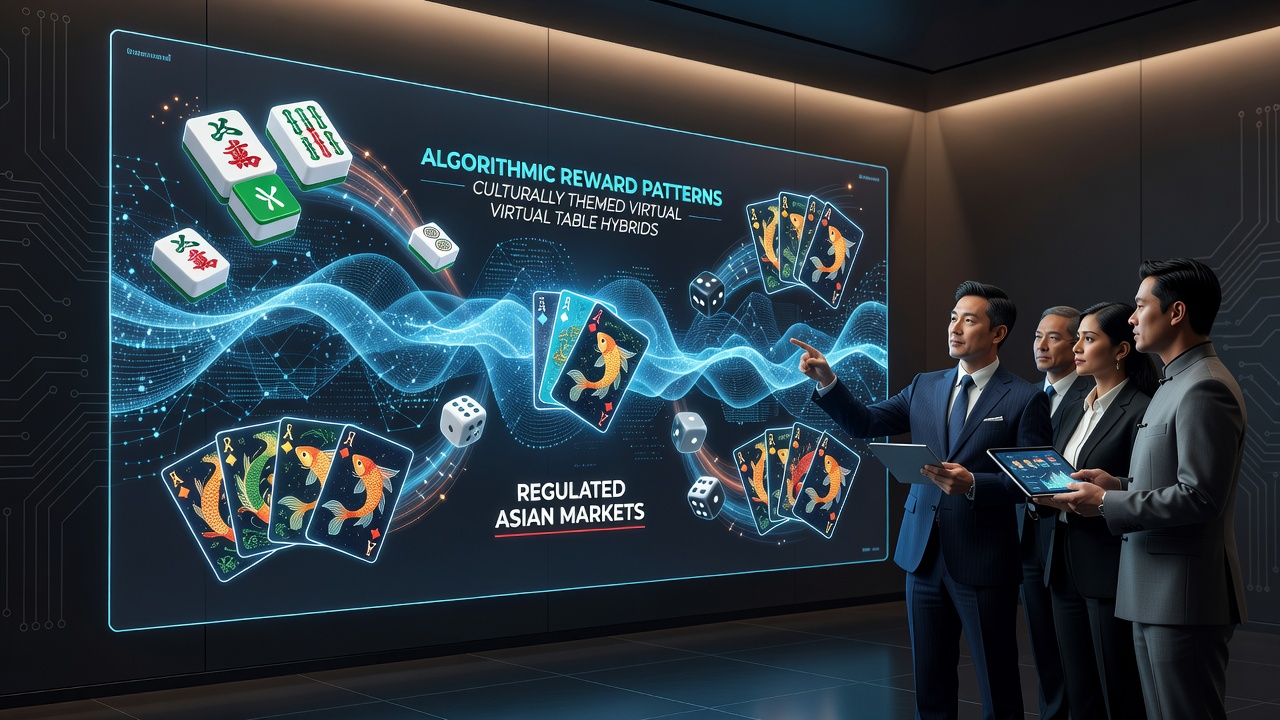
Decoding Algorithmic Reward Patterns in Culturally Themed Virtual Table Hybrids Across Regulated Asian Markets
Regulated markets across Asia have expanded virtual table hybrids that blend elements from baccarat, sic bo, and poker with local cultural motifs drawn from festivals, folklore, and historical narratives. These platforms operate under frameworks set by bodies such as Singapore's Gambling Regulatory Authority and Japan's Casino Regulatory Commission, which mandate transparent reporting on random number generators and payout structures.
Data from licensing submissions show that reward algorithms incorporate weighted probability matrices calibrated to maintain house edges between 1.2 and 2.8 percent while embedding thematic multipliers triggered by specific symbol combinations tied to cultural events. Observers note that operators publish quarterly summaries detailing how these matrices adjust during peak periods, including August 2026 when several jurisdictions recorded increased session volumes linked to regional holiday calendars.
Regulatory Structures Shaping Algorithm Design
Authorities in Singapore, Japan, and the Philippines require third-party certification of algorithms before deployment, with audits covering both base game mechanics and bonus layers that reference cultural symbols such as dragon motifs or seasonal lanterns. Certification reports indicate that these checks verify uniform distribution across millions of simulated rounds while confirming that cultural reward triggers do not alter the core random sequences.
Operators submit source code and mathematical models to regulators, allowing verification that reward frequency remains consistent regardless of thematic overlays. Records from the first half of 2026 reveal that adjustments to multiplier tables occurred primarily when operators introduced new cultural themes rather than when standard payout ratios shifted.
Mechanics of Reward Allocation in Hybrid Formats
Virtual table hybrids combine multiple game types into single sessions, routing player selections through decision trees that feed into a shared reward engine. The engine evaluates outcomes using layered random generators, one handling core table results and another determining whether cultural bonus features activate. Studies from industry research groups show that activation rates for cultural features average between 4.7 and 7.1 percent of completed rounds, with payout values scaled according to predefined volatility bands.

Pattern analysis of publicly available payout logs demonstrates that sequences of consecutive low-value rewards often precede higher-tier cultural bonuses, a structure designed to sustain engagement without modifying the underlying probability distribution. Technicians who have reviewed these logs note that the intervals between major rewards follow negative binomial distributions, a characteristic shared across platforms licensed in multiple jurisdictions.
Cultural Theme Integration and Pattern Visibility
Design teams map cultural elements onto reward tiers so that symbols drawn from specific traditions correspond to distinct multiplier ranges. Documentation submitted to regulators lists these mappings explicitly, enabling verification that no single cultural category receives disproportionate allocation. In August 2026, several operators released updated theme packs that introduced new reward patterns tied to upcoming lunar calendar events, and subsequent compliance filings confirmed that base probabilities remained unchanged.
Independent testing laboratories publish aggregated statistics that reveal how often players encounter each cultural reward category. These figures indicate stable distribution across different markets, with minor variations attributable to localized content licensing rather than algorithmic favoritism. Researchers examining these statistics have identified consistent clustering of mid-tier rewards around culturally significant dates without evidence of deviation from certified parameters.
Observed Patterns in Player Session Data
Session telemetry collected under regulatory oversight shows that reward sequences in culturally themed hybrids exhibit autocorrelation within short time windows, followed by reversion to mean frequencies. This pattern appears across platforms operating in Singapore, Macau SAR, and emerging Japanese integrated resorts. Analysts who processed anonymized data sets found that the probability of entering a cultural bonus round after three consecutive standard outcomes increases by a factor calibrated within each licensed title.
Reports filed with the Philippine Amusement and Gaming Corporation document that average reward interval lengths remained within certified tolerances throughout 2026, including during periods of elevated activity in August. These records provide concrete benchmarks for comparing algorithmic behavior across different cultural themes and regulatory environments.
Conclusion
Algorithmic reward patterns in culturally themed virtual table hybrids follow structures documented in regulatory filings and certification reports across regulated Asian markets. Data from multiple jurisdictions illustrate how cultural elements integrate into existing probability frameworks without altering certified house edges or distribution properties. Continued publication of compliance summaries supplies observers with measurable indicators for tracking these patterns as new themes and hybrid formats enter licensed operations.