AI-Driven Adjustments Reshaping Decision Trees in Virtual Blackjack Tournaments Across Platforms
Blake Müller · May 18, 2026
AI-Driven Adjustments Reshaping Decision Trees in Virtual Blackjack Tournaments Across Platforms
Virtual blackjack tournaments have incorporated AI systems that modify traditional decision trees in response to player data patterns and simulated deck compositions. These adjustments occur across multiple online platforms where tournaments run continuously, allowing algorithms to refine basic strategy recommendations based on real-time inputs rather than static charts. Observers note that such changes affect how participants approach splitting pairs or hitting on soft totals, especially in formats that simulate multi-deck shoes with variable penetration rates.
Core Mechanics of AI Integration
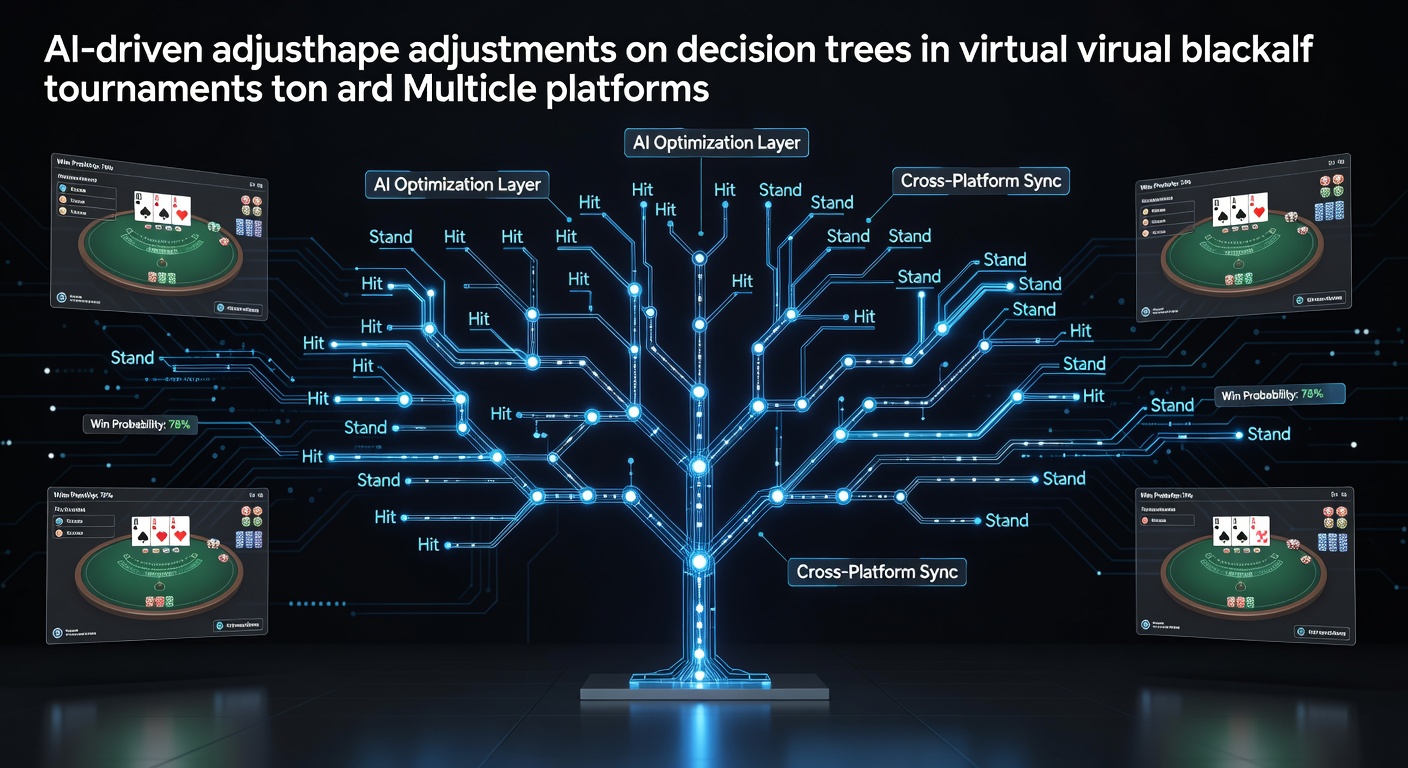
Decision trees in blackjack traditionally map player actions to specific hand totals and dealer upcards, yet AI layers introduce dynamic branching that accounts for historical tournament outcomes. Systems process millions of hands drawn from platform databases, identifying correlations between bet sizing sequences and win probabilities that static models overlook. Data indicates these adjustments often prioritize expected value calculations adjusted for opponent aggression levels observed in previous rounds, while platforms maintain compliance with random number generator standards verified by independent testing labs.
What's interesting here involves the way machine learning models update node weights after each tournament cycle. Researchers at various institutions have documented cases where AI detects subtle shifts in virtual card distribution that influence late-position decisions, prompting the system to suggest deviations from basic strategy when remaining deck composition favors certain plays. This process relies on reinforcement learning techniques that reward actions leading to higher survival rates in bracket-style eliminations common to virtual events.
Platform Variations and Implementation
Across different operators, AI implementations diverge in scope and frequency of updates. Some platforms apply adjustments between tournament stages, recalibrating trees based on aggregated player behavior from North American servers, whereas others in European markets integrate continuous monitoring that tweaks recommendations mid-hand. Figures from industry reports show that these variations stem from differing regulatory frameworks, with Canadian provincial authorities requiring transparency reports on algorithmic changes that affect payout distributions.
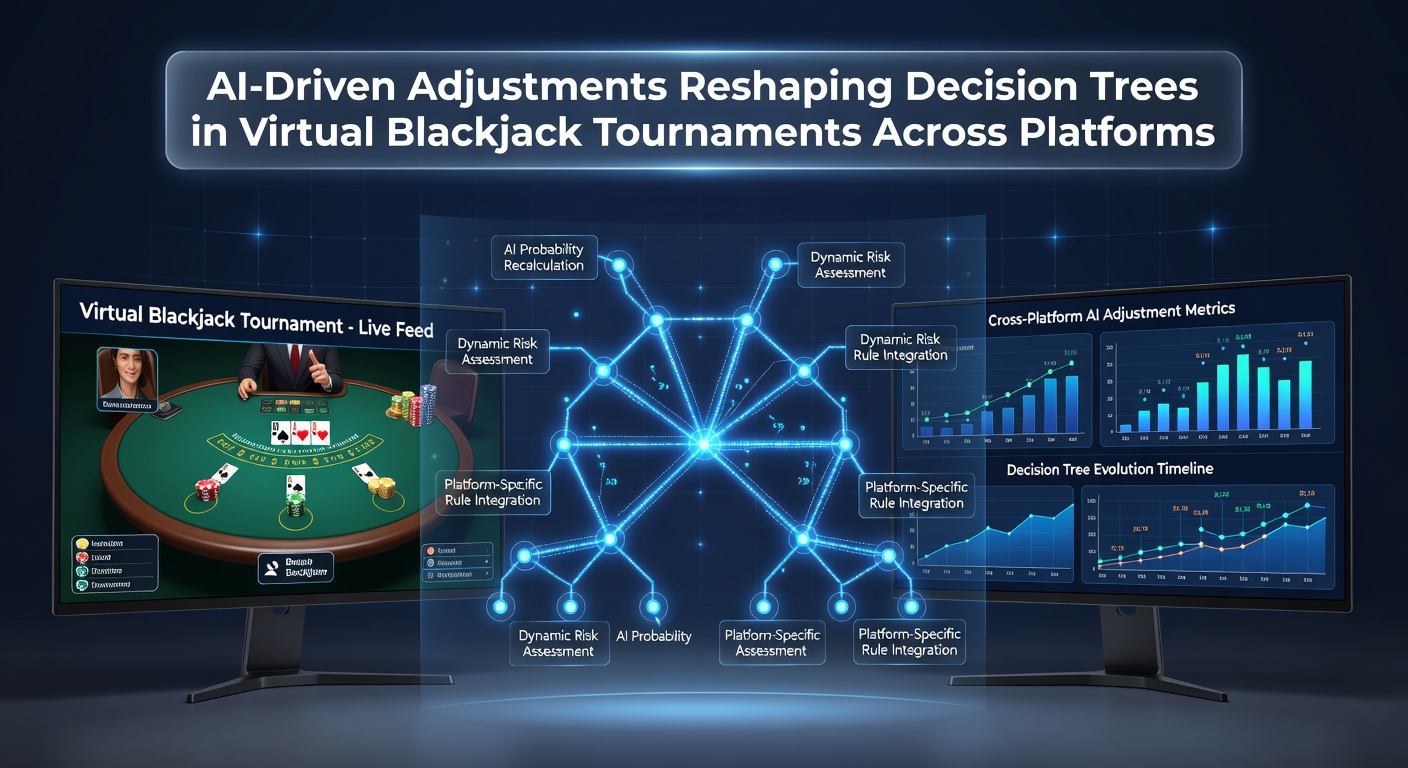
Take one developer who integrated neural networks to simulate thousands of parallel tournaments simultaneously. The approach allows the AI to forecast how decision tree modifications impact qualification rates for final tables, leading to refinements that balance house edges with player retention metrics. Such systems also cross-reference data from mobile and desktop interfaces, ensuring consistent adjustments regardless of access method.
Data Inputs Driving Adjustments
AI models draw from extensive datasets including hand histories, time spent on decisions, and bet progression patterns collected during live virtual events. These inputs feed into clustering algorithms that group similar player profiles, enabling targeted tree adjustments for high-volume participants versus casual entrants. Evidence suggests that incorporating telemetry from peripheral devices, such as mouse movement speeds on desktop clients, further refines predictions about hesitation points in complex scenarios like insurance bets.
Platforms scheduled for major software rollouts in May 2026 plan to expand these capabilities by linking decision trees with broader tournament analytics dashboards. This integration would provide participants with post-event summaries highlighting where AI-suggested deviations occurred and their measured effects on advancement odds, drawing from sources like peer-reviewed studies available through academic repositories.
Regulatory and Fairness Considerations
Gaming authorities in multiple jurisdictions review AI-driven modifications to ensure they do not introduce unintended biases into tournament structures. Reports from organizations such as the Nevada Gaming Control Board detail audit protocols that verify algorithmic neutrality across player demographics, while Australian research centers contribute comparative analyses of virtual versus land-based decision patterns. These oversight mechanisms typically require operators to log every tree adjustment for periodic examination.
One study revealed through university-led simulations that frequent AI updates can reduce variance in qualification probabilities when tournaments feature large fields. The findings emerged from controlled experiments comparing static trees against adaptive versions, showing measurable differences in how often underdogs reach later stages without altering overall game mathematics.
Future Trajectories in Tournament Formats
Developments point toward greater interoperability between platforms, where shared AI frameworks might standardize core adjustments while allowing operator-specific customizations. Participants in upcoming events may encounter decision prompts that evolve based on collective tournament data pools, creating feedback loops that sharpen strategic options over successive rounds. Industry associations continue to track these trends through annual surveys that capture adoption rates among major virtual gaming providers.
Conclusion
AI continues to influence decision tree structures in virtual blackjack tournaments by processing platform-specific data streams and generating context-aware recommendations. These systems operate within established regulatory boundaries, with ongoing refinements expected through 2026 as operators align updates with verification standards from diverse global sources. The resulting landscape features more responsive gameplay elements that reflect accumulated tournament statistics while preserving core probabilistic foundations of the game.